
Pore Pressure Trends: What to Watch for When Reading Piezometer Data
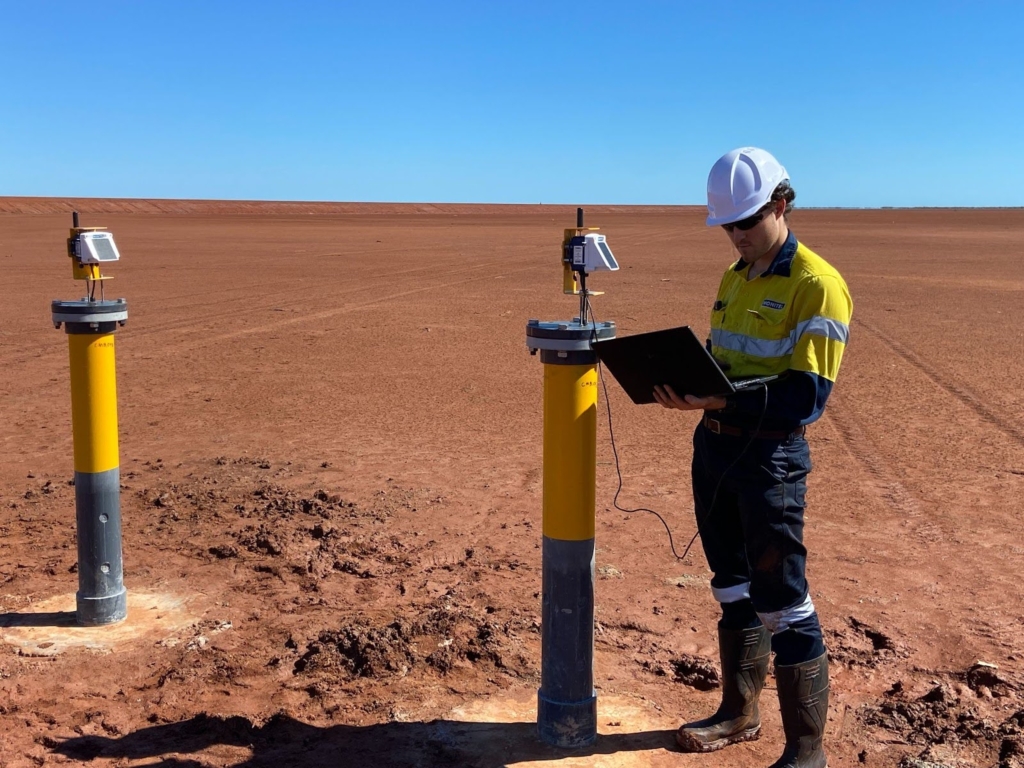
Pore Pressure Trends: How to Read Piezometer Data
Piezometers are a key tool in geotechnical and environmental monitoring, providing a direct insight into pore water pressure. Knowing how to properly interpret the data will help you identify emerging risks and implement appropriate solutions.
At Monitel, we help clients across Western Australia understand the meaning behind their pressure readings. Our monitoring systems are ideal for deployment in boreholes, tailings dams and other geotechnical fields.
This article outlines the typical trends you may observe in piezometer data. If you would like more information about piezometers and monitoring systems, you can contact a member of our team at admin@monitel.com.au or call (08) 6219 8284.
What is Pore Pressure?
Pore pressure is the pressure exerted by groundwater within the pores of soil and rock. It plays a critical role in determining the effective stress of the ground, which directly impacts the strength and stability of countless structures. In simple terms, the higher the pore pressure, the less load the soil can support.
This is particularly concerning in tailings dams, excavations, and other high-risk sites, where a sudden pressure increase may cause instability or seepage. Monitoring pressure over time helps engineers and asset owners detect early warning signs of danger, verify design assumptions and ensure structures remain safe under changing conditions.
What Does Piezometer Data Mean?
Steady Pore Pressure
A flat, stable trend a long period could be a sign of equilibrium. This might mean that:
- Groundwater levels are not fluctuating significantly
- The structure or embankment is performing as expected
- There is no major seepage
These long periods of stability are common in dry seasons or after a structure has finished settling.
Gradual Increase in Pressure
A slower, steady rise may be caused by:
- Seasonal rainfall
- Changes in loading
- Nearby construction impacting groundwater behaviour
A gradual increase does not necessarily mean an immediate danger. However, it should be reviewed against design thresholds and compared to rainfall, construction stages or nearby bore data.
Sharp Spike in Pressure
A more sudden upward trend should be treated as a warning. Possible causes include:
- Rapid water ingress or flooding
- Blocked drainage paths or filter zones
- Seepage through a dam wall or foundation
In tailings dams especially, sudden changes will require an immediate investigation. Monitoring systems should be configured to send automated alerts, triggered when pressure reaches a set limit.
Pressure Drop
A sizeable decrease could result from:
- Dewatering operations
- Drawdown in adjacent bores
- Drainage working as intended
Drops are not always negative, so should be reviewed in context. If the drop is too quick or sustained overtime, it may indicate over-drainage or structural settlement.
Cyclical or Fluctuating Data
If a site is influenced by tides, pumping or rainfall, data may show regular fluctuations in pressure.
The cycle should be cross checked against known works or natural events to ensure that these are indeed the cause. If cycles change in frequency or intensity, this may suggest a shift in site conditions.
Monitel: Leading Piezometer Supplier
Pore pressure readings will tell you how water is moving through the ground and how surrounding structures might respond. Interpreting this piezometer data correctly can prove the difference in preventing failures and ensure compliance with WA’s regulatory requirements.
Monitel is proud to offer a wide range of piezometers, constructing monitoring systems on sites across Western Australia. Once installed, we can help you interpret the data to ensure efficient:
- Tailings dam management
- Environmental compliance
- Slope stability assessments
If you would like more information about interpreting piezometer data or building a monitoring system, you can contact Monitel at admin@monitel.com.au or call us on (08) 6219 8284.
Leave a Reply
Want to join the discussion?Feel free to contribute!